


TCT 2025: iCABG Study Comparing iFR Versus Angiography Guided CABG Over 36 Months Follow-Up Period
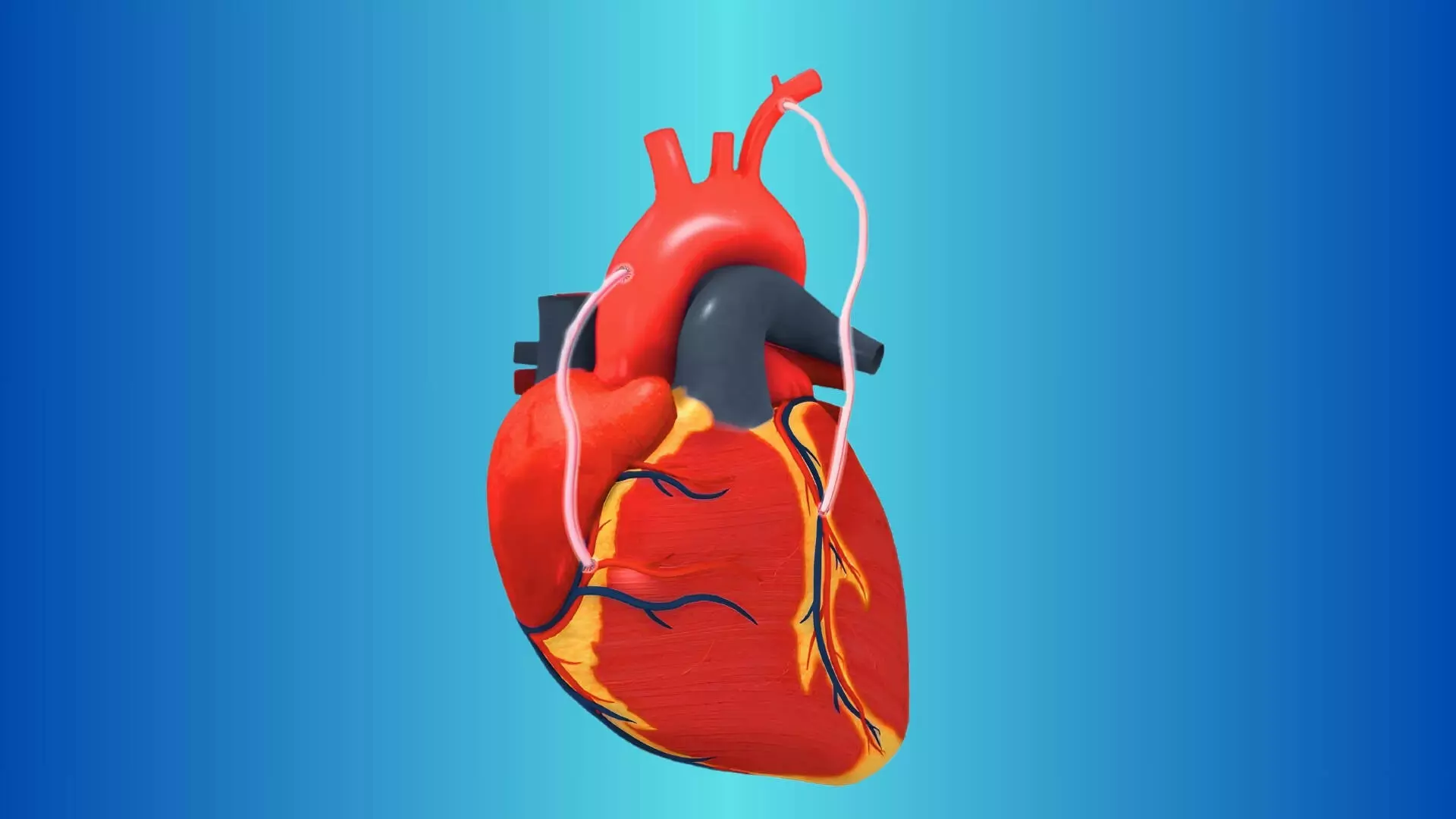
This news is covered by the Bureau present at the TCT Conference 2025, being held in San Francisco, USA. Using instantaneous wave-free ratio (iFR) to guide coronary artery bypass grafting (CABG) significantly improved graft patency while reducing the number of grafts required, compared with angiography-guided surgery, according to three-year results from the iCABG randomized trial presented by Dr. Rasa Ordienė of the Lithuanian University of Health Sciences at TCT 2025. The iCABG study is a prospective, randomized, single-blind trial evaluating whether physiology-guided surgical revascularization can optimize graft outcomes in patients with multivessel coronary artery disease (CAD). A total of 110 patients referred by the Heart Team for CABG were enrolled and randomized 1:1 to iFR-guided or angiography-guided revascularization. All patients had a visually significant left anterior descending (LAD) or left main (LM) lesion and at least one intermediate lesion. In the iFR-guided arm, CABG was deferred for lesions with iFR ≥0.90 and performed for those with iFR <0.90. In the angiography-guided arm, surgical grafting was based on angiographic stenosis severity (>50%). Patients were followed with coronary computed tomography angiography (CCTA) at 2, 12, and 36 months, and major adverse cardiovascular and cerebrovascular events (MACCE) were tracked through 36 months. The study’s primary endpoint was graft occlusion or hypoperfusion on CCTA at 2, 12 and 36 months. Secondary endpoints included MACCE—a composite of stroke, target vessel revascularization (TVR), non-fatal myocardial infarction (MI), or cardiovascular death at three years. At 36 months, iFR-guided CABG was associated with significantly fewer occluded grafts compared with angiography-guided CABG (8.5% vs. 24.4%; p<0.05). Graft failure strongly correlated with preoperative iFR values: 70% of grafts failed when iFR exceeded 0.85 (identified cut-off), whereas 94.4% remained patent when iFR was below 0.85. ROC analysis identified an iFR <0.85 as the optimal threshold predicting 12-month graft patency, with threefold higher odds for left internal mammary artery (LIMA)– Left Anterior Descending (coronary artery) (LAD) grafts (OR 3.0, 95% CI 1.89–4.76). The iFR-guided group also required fewer grafts per patient (median 3 vs. 3.5; p<0.001) and underwent fewer on-pump surgeries, reflecting more targeted revascularization. Despite these procedural differences, there were no significant differences between groups in MACCE at three years. The composite event rate was similar (p>0.05), with no excess in stroke, MI, or TVR in the physiology-guided group. Investigators noted that iFR reclassified disease extent in 44% of patients, converting planned multivessel CABG to one- or two-vessel procedures in many cases, thereby reducing unnecessary grafting. While small in sample size, the study demonstrated that functional lesion assessment can refine surgical decision-making without compromising clinical outcomes. The iCABG trial highlights how physiology-guided strategies, widely used in percutaneous coronary intervention (PCI), may have an emerging role in surgical revascularization by optimizing graft targets, reducing procedural burden, and improving long-term graft durability. Reference:Rasa Ordiene et al., iFR vs angiography - guided CABG: 36 months follow up – iCABG study, TCT Conference 2025, San Francisco. https://www.tctconference.com/ About the Study Presenter:DrRasa Ordienė is an Interventional Cardiologist at the Hospital of Lithuanian University of Health sciences.Her field of interests include iFR, FFR, pulmonary arteries angioplasty.
Disclaimer: This website is designed for healthcare professionals and serves solely for informational purposes.
The content provided should not be interpreted as medical advice, diagnosis, treatment recommendations, prescriptions, or endorsements of specific medical practices. It is not a replacement for professional medical consultation or the expertise of a licensed healthcare provider.
Given the ever-evolving nature of medical science, we strive to keep our information accurate and up to date. However, we do not guarantee the completeness or accuracy of the content.
If you come across any inconsistencies, please reach out to us at
admin@doctornewsdaily.com.
We do not support or endorse medical opinions, treatments, or recommendations that contradict the advice of qualified healthcare professionals.
By using this website, you agree to our
Terms of Use,
Privacy Policy, and
Advertisement Policy.
For further details, please review our
Full Disclaimer.
0 Comments
Post a comment
No comments yet. Be the first to comment!